Avantor
Developing Smart Consumables with digital identity built into laboratory and clinical labware.
Read the announcement (opens in a new tab)
Physical identity for regulated workflows
A tiny chip. A permanent identifier. A direct connection between the physical item and the systems you trust.
Light-activated silicon.
Designed for identity at the item.
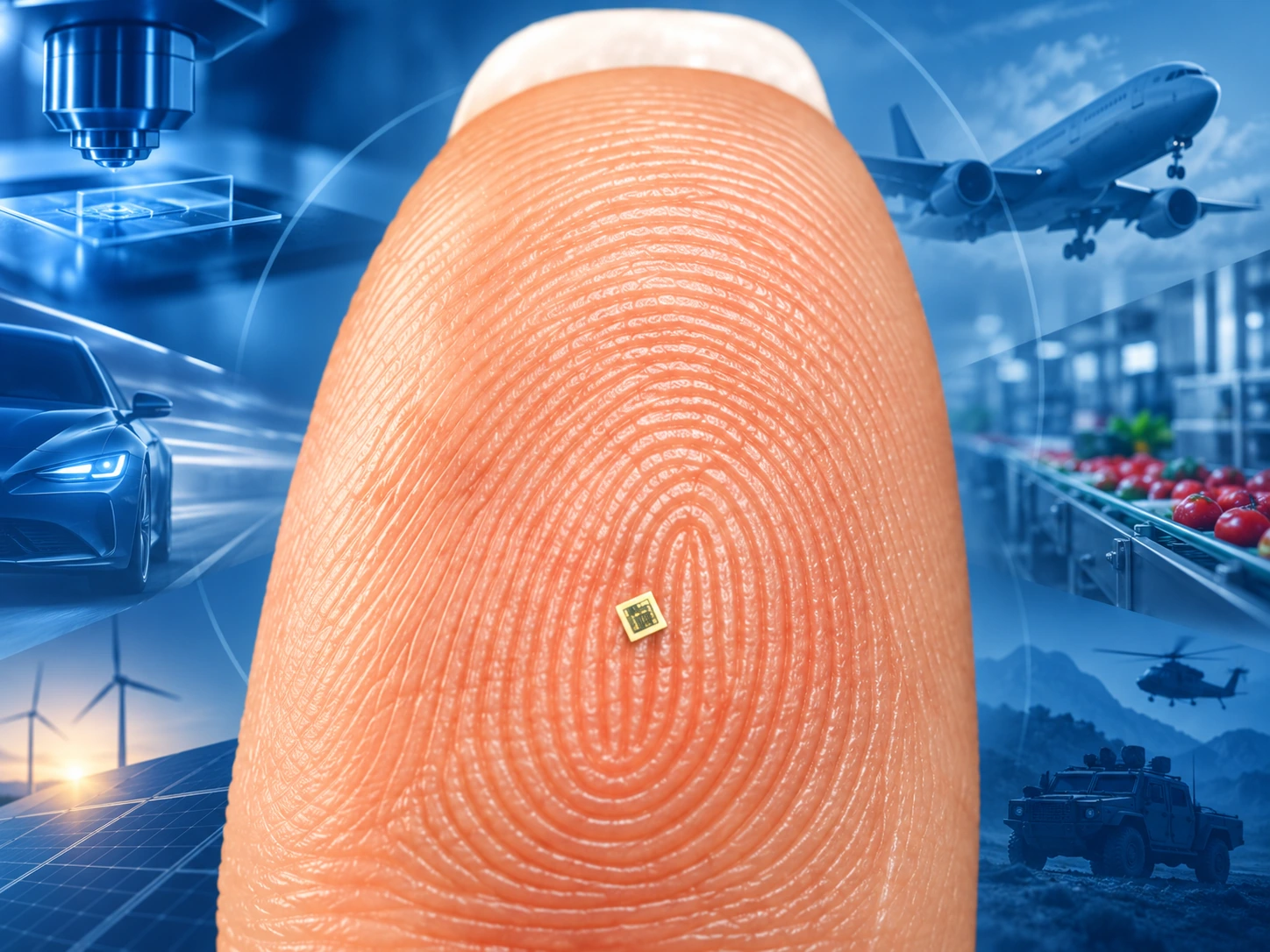
The missing connection
A label can be damaged, detached or copied. When its connection to the physical item becomes uncertain, the record alone cannot resolve the question.
p-Chip gives that item a fixed identifier. A reader captures it at the point of work, and the configured integration checks it against the record your process expects.
Meet the platformOne platform. Three layers.
Small enough to go into the item. Connected enough to work with your enterprise.
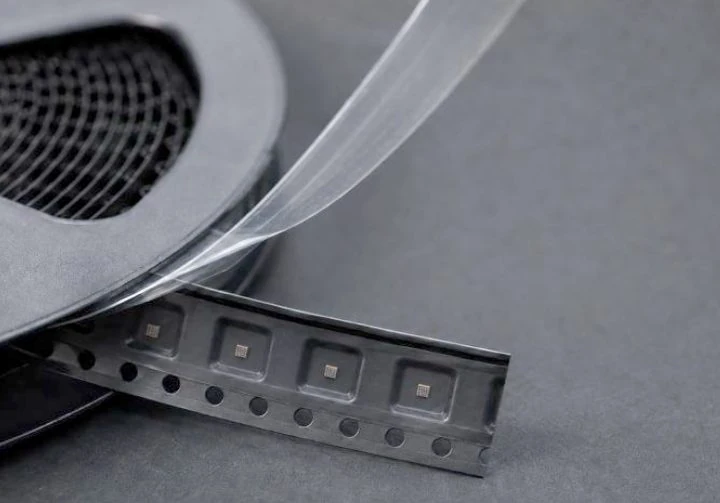
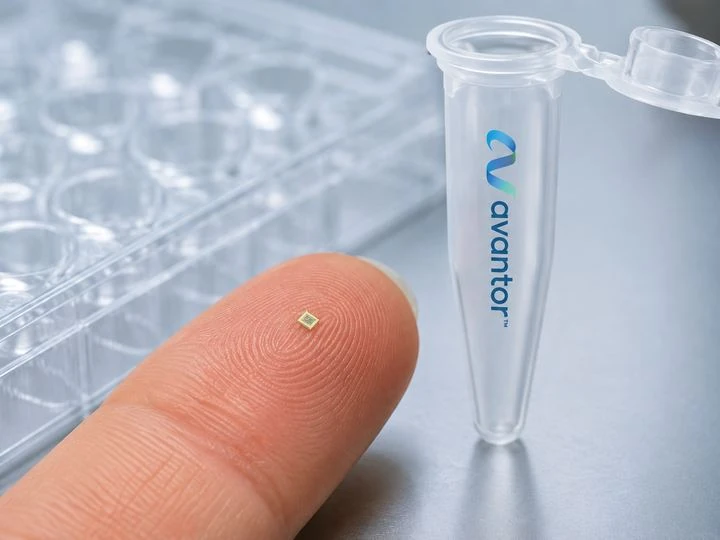
A tiny silicon die with a fixed identifier. Embedded in or attached to the item, and activated by light.
Explore the chip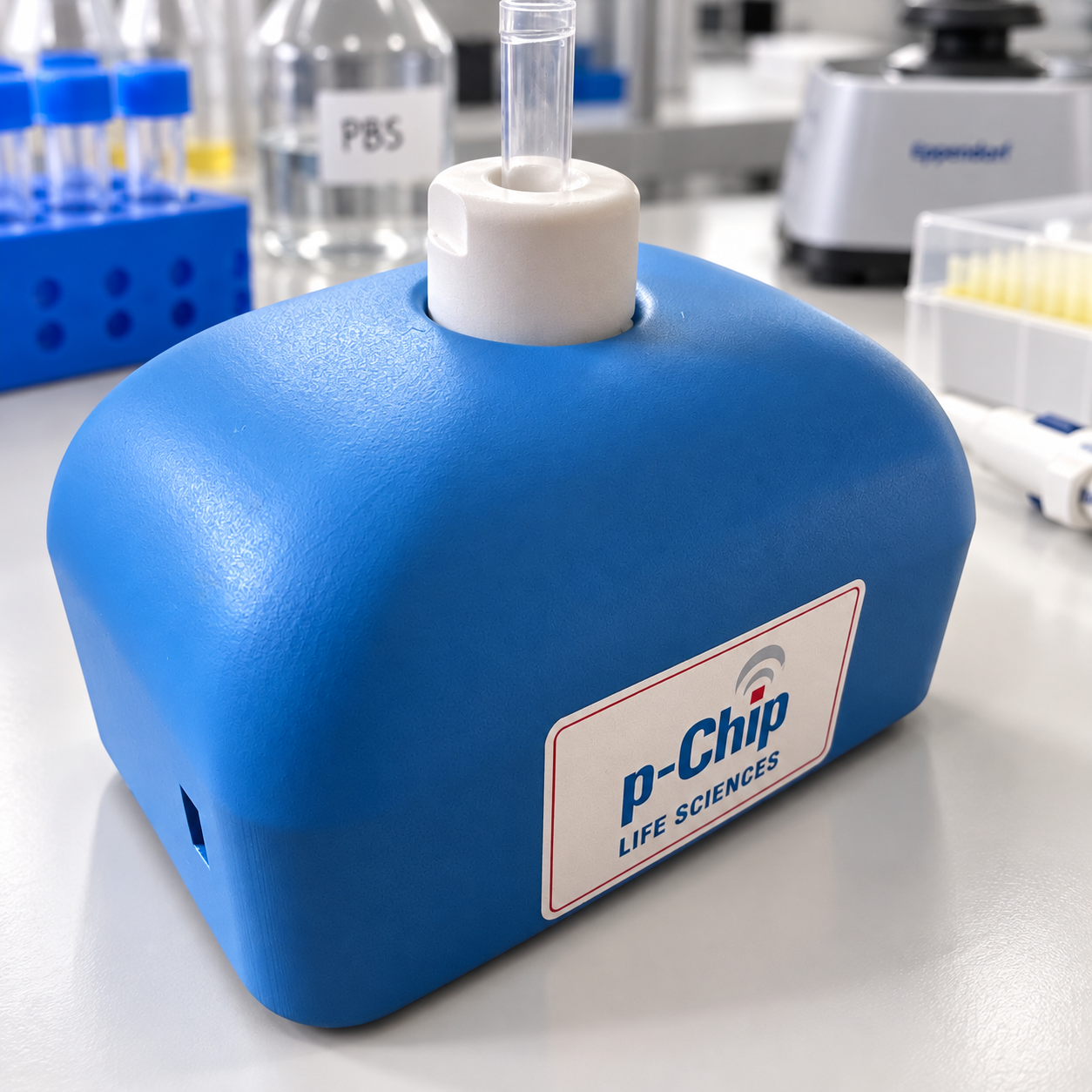
Handheld and fixed configurations bring the identity check to the bench, receiving dock or production line.
Explore readers
Resolve the read, apply the configured check, and connect the event to the system that governs your workflow.
Explore AuthiumBuilt around your workflow
One core technology. An application-specific approach to attachment, reading and integration.
From collection to result
Connect the identity of a specimen container to its record through collection, processing, transfer and storage.
Explore life sciences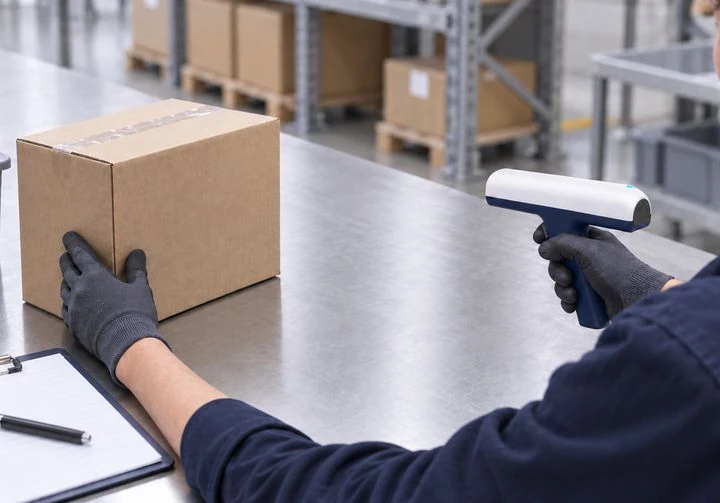
At every handoff
Pair unit-level physical identity with serialization records at receiving, returns and distribution handoffs.
Explore pharmaceutical supply chain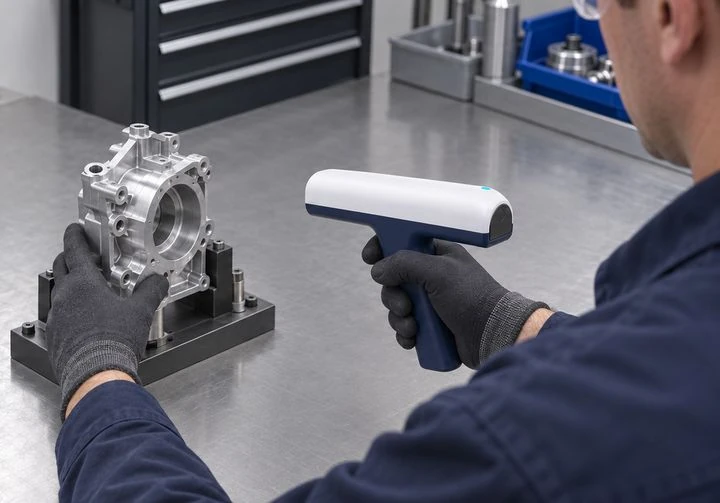
Across the service life
Identify individual parts through manufacture, service and investigation, with attachment and reading configured for the application.
Explore industrial & energy
From production onward
Bind a registered identity to the product or its production label to support origin records and authentication.
Explore food & brand protectionThe read, explained
An identity check starts with a physical event.
Light activates the chip. The reader captures its ID.
Your configured system connects it to a record.
Illustrative sequence. Reader, attachment and integration requirements vary by application.
Evidence before promises
Explore the partner announcements and research behind the technology.
Developing Smart Consumables with digital identity built into laboratory and clinical labware.
Read the announcement (opens in a new tab)A physical identity layer for the M-Trust cyber-physical trust platform.
Explore the collaborationPeer-reviewed work on tagging histopathology slides, tissue cassettes and biorepository tubes.
Read the researchA practical place to start
Start where a missed or mistaken identity creates the most work. Define the conditions. Agree what success looks like. Then evaluate.
Plan an application reviewSelect the object, attachment and operating conditions.
Identify the reader, registration step and system connection.
Evaluate read performance, exception handling and record completeness.
Let’s make it work
Tell us what you need to identify, what it has to withstand, and where the record needs to go.
Discuss your application